
By Ayoola ADELEKE
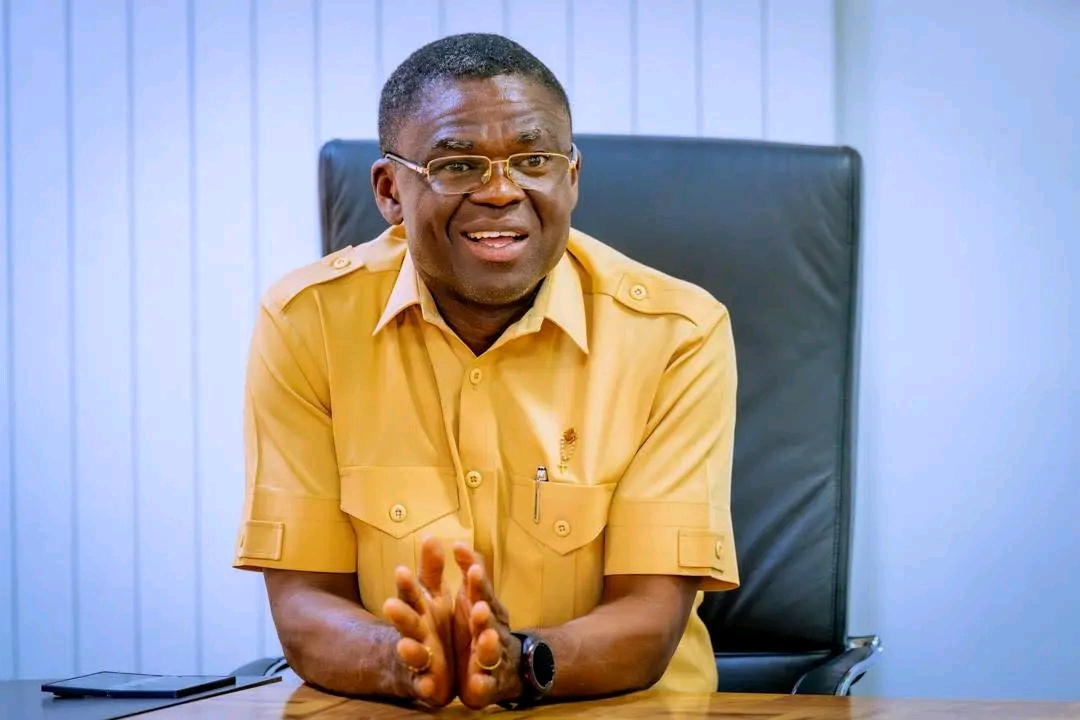
Long before his appointment at the National Institute for Sports (NIS), two-term Deputy Governor of Edo State, Rt. Hon. Comrade Philip Shaibu popularly known as Captain Philip had already made a mark in the Nigerian sporting community. His experience with sports administration began when he was Deputy Governor of Edo State, where he actively participated in grassroots and elite sports development.
Over the years 2016-2024, Shaibu has blossomed into one of the most prolific sports promoters in the country, partly due to his own football experience as a former registered player and captain of Bendel Insurance Football Club. In addition to football, Shaibu’s impact was felt in grassroots sports development, and Edo State emerged as a hub for identifying talent and engaging youth through a school sports investment initiative.
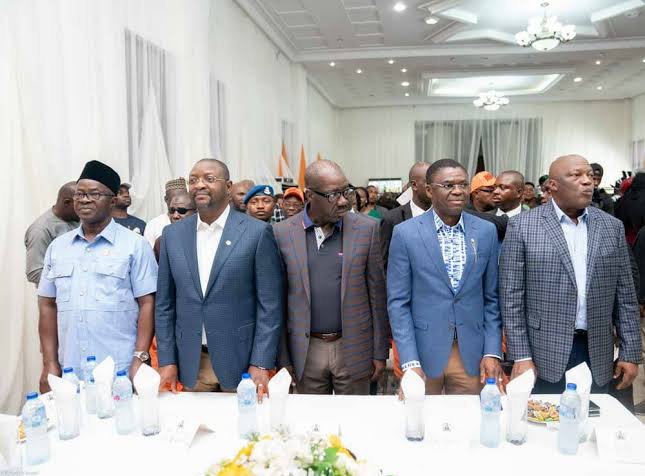
His deputy-governorship also facilitated the establishment of infrastructure facilities, and his contribution to the hosting of multi-sport functions made Edo a more promising venue for athletic excellence; as a deputy-governor, he also helped to successfully host the National Sports Festival tagged, “Edo 2020,” one of the more organised editions in recent history, who also set the tone for accountability by remitting funds into the government’s coffers, after the festival.
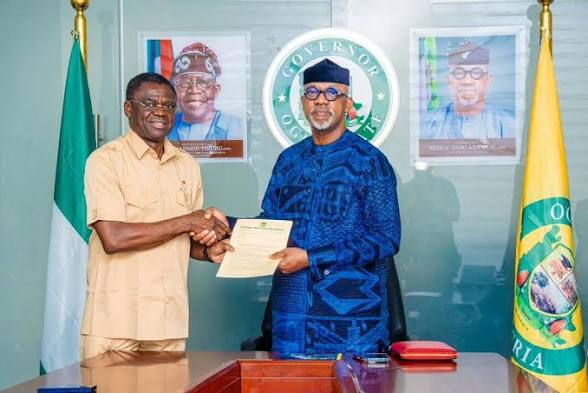
This success helped him make his way to the national level. Professor Olawale Moronkola was relieved by President Bola Ahmed Tinubu (GCFR) who appointed Shaibu Director-General/Chief Executive Officer of the National Institute for Sports with effect from mid-June 2025. Looking at the appointment in this context — not just as a political move, but as an ongoing commitment to sports development — it makes perfect sense.
Under his leadership, since becoming the head, Shaibu has been responsible for the most audacious reform programme in the history of the National Institute for Sports, which was in a state of comatose.
With his stewardship, the institute has now moved into a new era, characterised by institutional restructuring, academic growth, strategic collaborations, advocacy for funding and decentralisation on a national scale, to position the NIS as the engine of sports development in Nigeria.
A key component of this transformation is a policy-driven and structured approach, featuring a 32-member advisory committee and a 10-year strategic plan creating a sustainable future and long-term direction post his term.
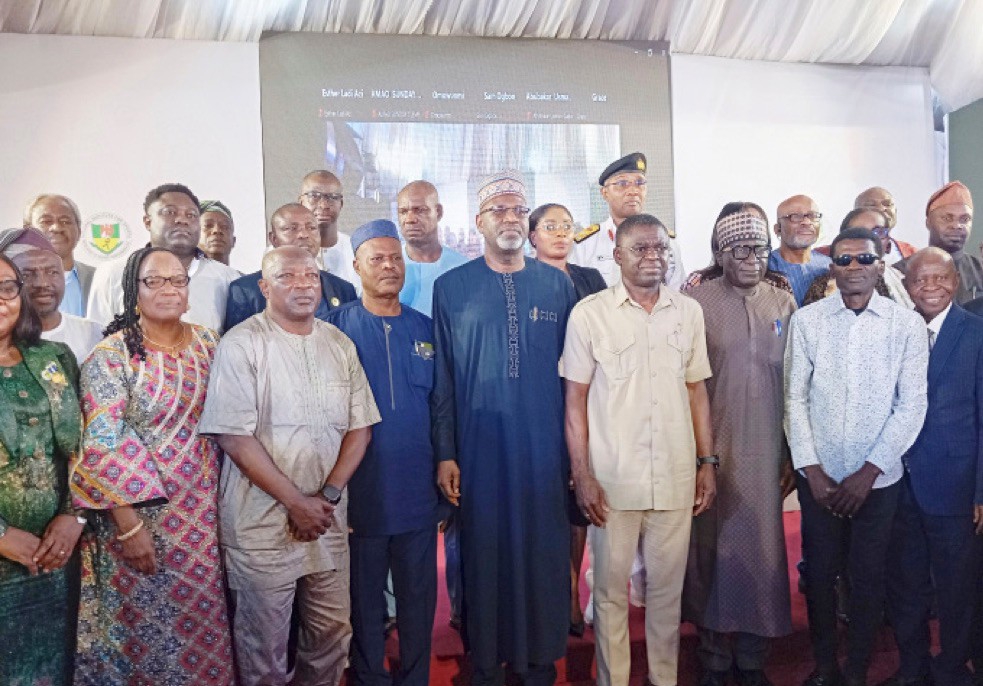
To give a colour to the picture that Shaibu was imagining in his mind, it needed some nurturing; like every parent will nurture their tender babies. The House and Senate committees on sports in February 2026 voted to increase the NIS budget from approximately ₦2.8 billion to about ₦60 billion in 2026 due to the institute’s reform achievements and the unspent allocation for capital in the 2025 budget. In April 2026, President Tinubu signed the total budget of ₦68.32 trillion for the 2026 Appropriation Act with the sports sector getting ₦203.6 billion, an increase of 92.6 per cent from the 2025 record.
I have not checked if the NIS’s final line item is the same figure as the ₦60 billion committee figure. But the lawmakers are publicly putting their money where their mouths are by agreeing to a significant increase in funding for the institute, which they say is long overdue, after decades of underfunding.
In a bold move from its traditional Lagos base, the NIS has now spread its operations to Nigeria’s six geopolitical zones with zonal offices located in Yola, Kaduna, Jos, Enugu, Abeokuta and one in Benin City, at the same time, making it convenient for every desiring individuals to become anything they choose as provided by the Institute.
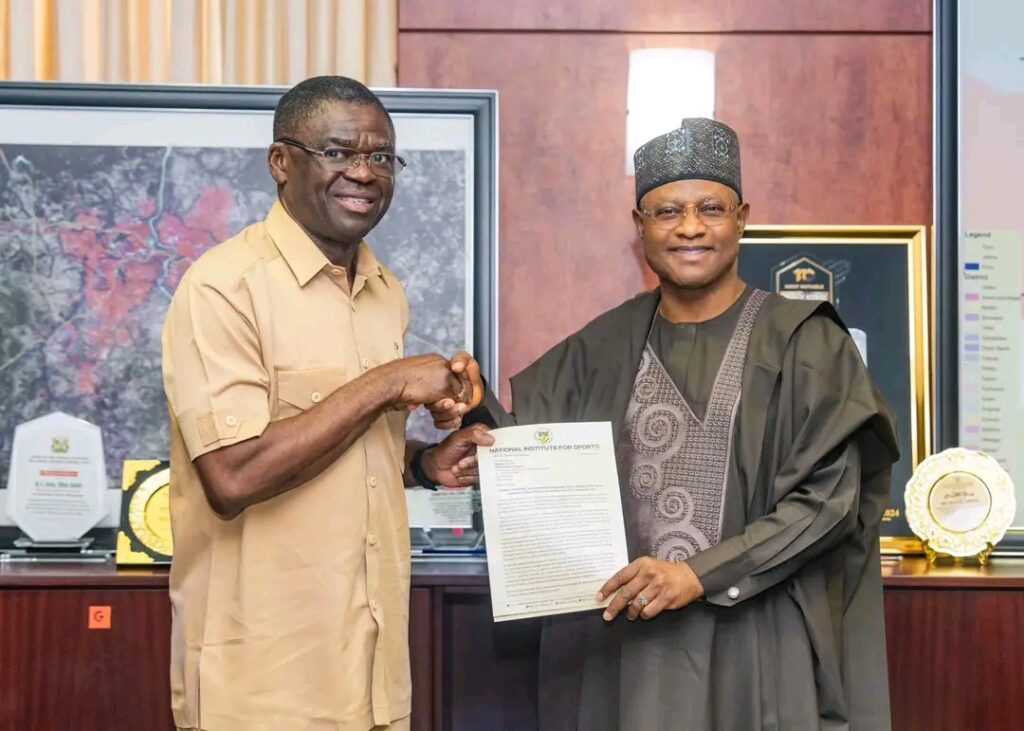
In the academic field, the institute has recently introduced National Diploma programmes in Sports Coaching, Sports Management and Paramedic Technology, which are accredited by the National Board for Technical Education, and currently admissions are being made through the national UTME system. That development took a step into the milestone of April 2026 when the institution took in about 200 students at a ceremony held at the Lagos National Stadium, Surulere, following about a year of its operations being suspended to review its curriculum, screen its lecturers and restructure its admission criteria.
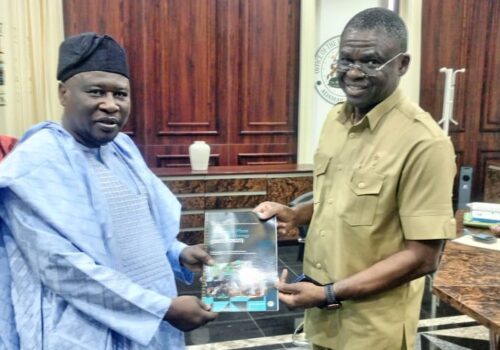
Shaibu called it the beginning of a new chapter for the institute, and revealed that over 50 per cent of the new batch of students were football coaches, an indication, he said, of the country’s football-first culture. The institute is also collaborating with the National Universities Commission on the introduction of full degree programmes.
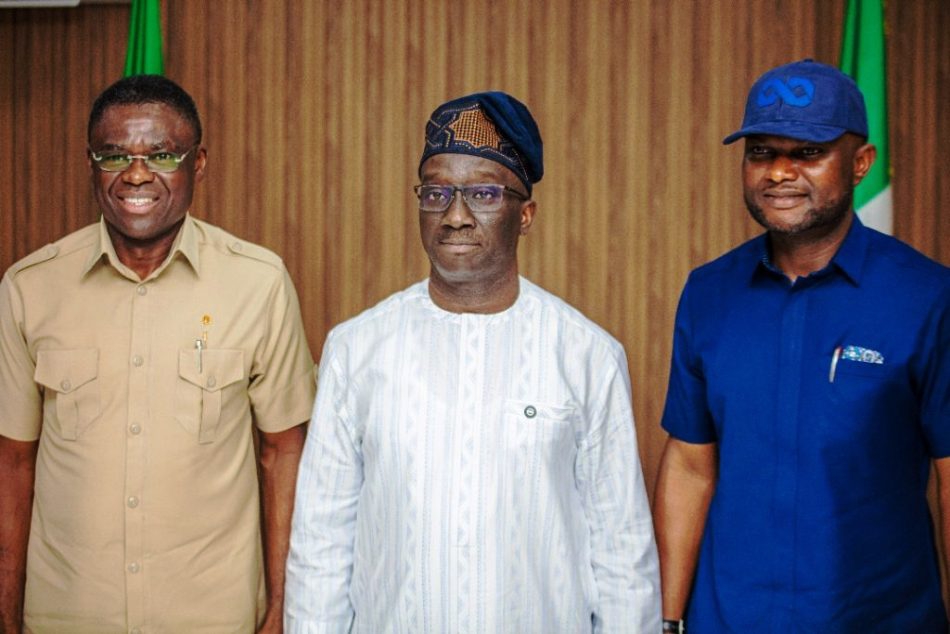
The NIS has now extended its reach outside the classroom to help solve the problem of coaches in Nigeria. In April 2026, Shaibu announced a two-year programme in partnership with the Nigeria Football Federation to plug the national shortfall of two million coaches, which the institute says it was able to establish through an internal study. The NFF has committed to support the efforts of its own initiative via its coaching initiative that includes a CAF C-License course for women coaches and Nigeria’s recent CAF clearance to host Grade A coaching courses for the first time since 2017.
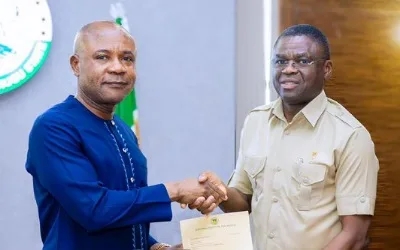
Sports education has also been promoted with the support of a collaboration with the Nigerian Education Loan Fund (NELFUND) for the benefit of the youth who are interested in coaching, sports management and other young professionals who want to pursue a career in sports.
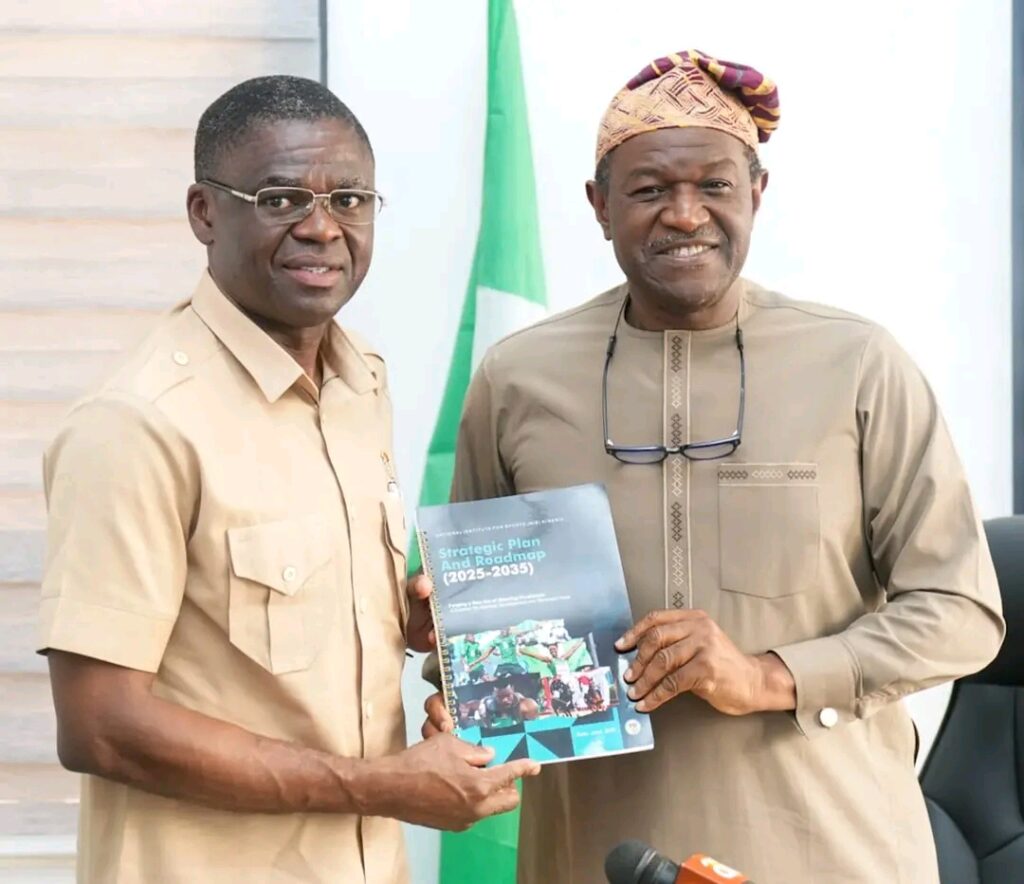
All of these developments point to an institution going through a lot of change: governance changes, a funding push which is still in the budget process, academic expansion, a coaching partnership with the NFF, a nationwide decentralisation and a greater profile in the administrative calendar of African football. The National Institute of Sports, headed by Edo State sports revivalist, Philip Shaibu, is one of the more closely watched institutional stories in Nigerian sport today, for a policy and technical weak sector that has long lacked a cohesive policy and thin technical capacity, the revival, just as in Edo Sports is beginning to take shape at the once forgotten Institute, under Captain Philip!