
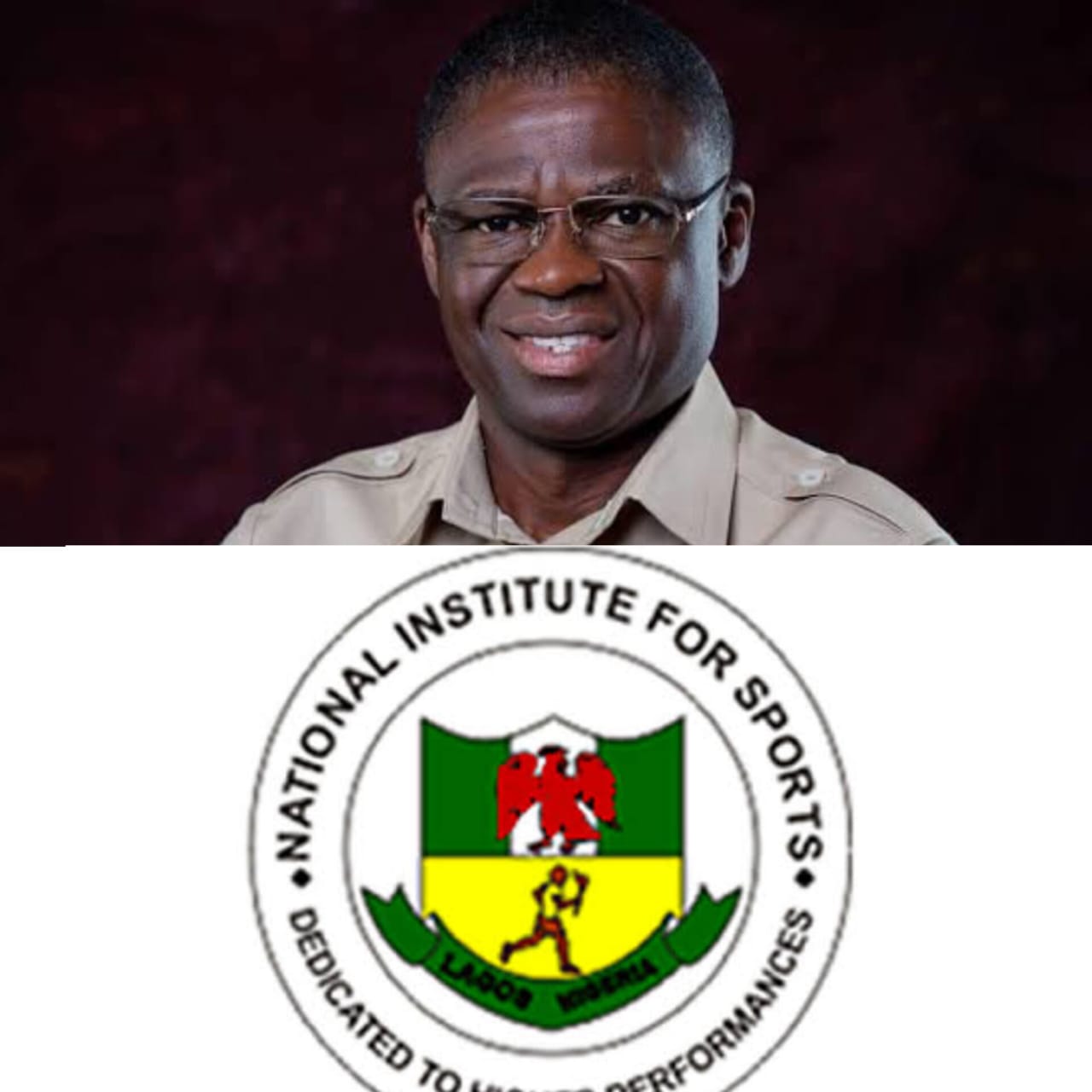
The Director-General/Chief Executive Officer of the National Institute for Sports (NIS), H. E. Comrade Philip Shaibu, has disclosed that Management is pursuing the repeal and re-enactment of the NIS Act through the National Assembly as part of efforts to strengthen the Institute’s legal framework and reposition it to effectively deliver on its mandate.
Shaibu made this known during a virtual all-staff meeting involving personnel from the NIS Headquarters in Lagos and its zonal offices in Abuja, Kaduna, Enugu, Edo/South-South, Adamawa/Yola and Plateau/Jos.
The DG explained that the proposed legislative review is part of broader institutional reforms aimed at strengthening NIS, expanding its operations and improving its capacity to contribute meaningfully to sports development in Nigeria.
The DG also used the meeting to brief staff on the Institute’s financial position, welfare obligations, promotions and ongoing restructuring.
He disclosed that the 2025 promotion placements had been approved and uploaded to the relevant payroll platform, with final approval from the Accountant-General’s Office still being awaited, while the Performance Management System (PMS) would be adopted for future promotion exercises.
On the expansion of the Institute’s programmes, Shaibu announced plans to commence Basic Coaching programmes in Yola, Adamawa State, Plateau/Jos, Ogun State, and Enugu in October, while Kaduna and Edo State are already running alongside the ongoing South-South programme in collaboration with the University of Benin and Akwa Ibom State.
He also announced a proposed 70/30 revenue-retention arrangement under which 70 per cent of revenue generated by zonal offices would remain within the respective zones, while 30 per cent would be remitted to the centre for institution-wide projects.
The DG further disclosed that NIS was in advanced discussions with the Nigeria Football Federation (NFF) towards introducing CAF Card D coaching certification for NIS-trained coaches, with plans to progress to higher levels.
He said opportunities for other international certifications, including FIBA-related programmes, were also being explored as part of efforts to strengthen the professional development of coaches trained by the Institute.
Shaibu assured staff that Management remained committed to addressing outstanding welfare obligations and improving the overall effectiveness of the Institute.
He urged personnel across all locations to remain committed to their responsibilities, stressing that the success of the ongoing reforms and the repositioning of NIS would depend on the collective commitment and professionalism of its staff.