
Oluchi tobex tobe-Chukwu.
The future of women’s football in Nigeria is undergoing a massive structural transformation, and veteran sports executive and executive board member Aisha Falode is right at the forefront of this revolution, guiding the next generation of leaders as the FIFA/NFF Women Capacity building programme held in Benin.
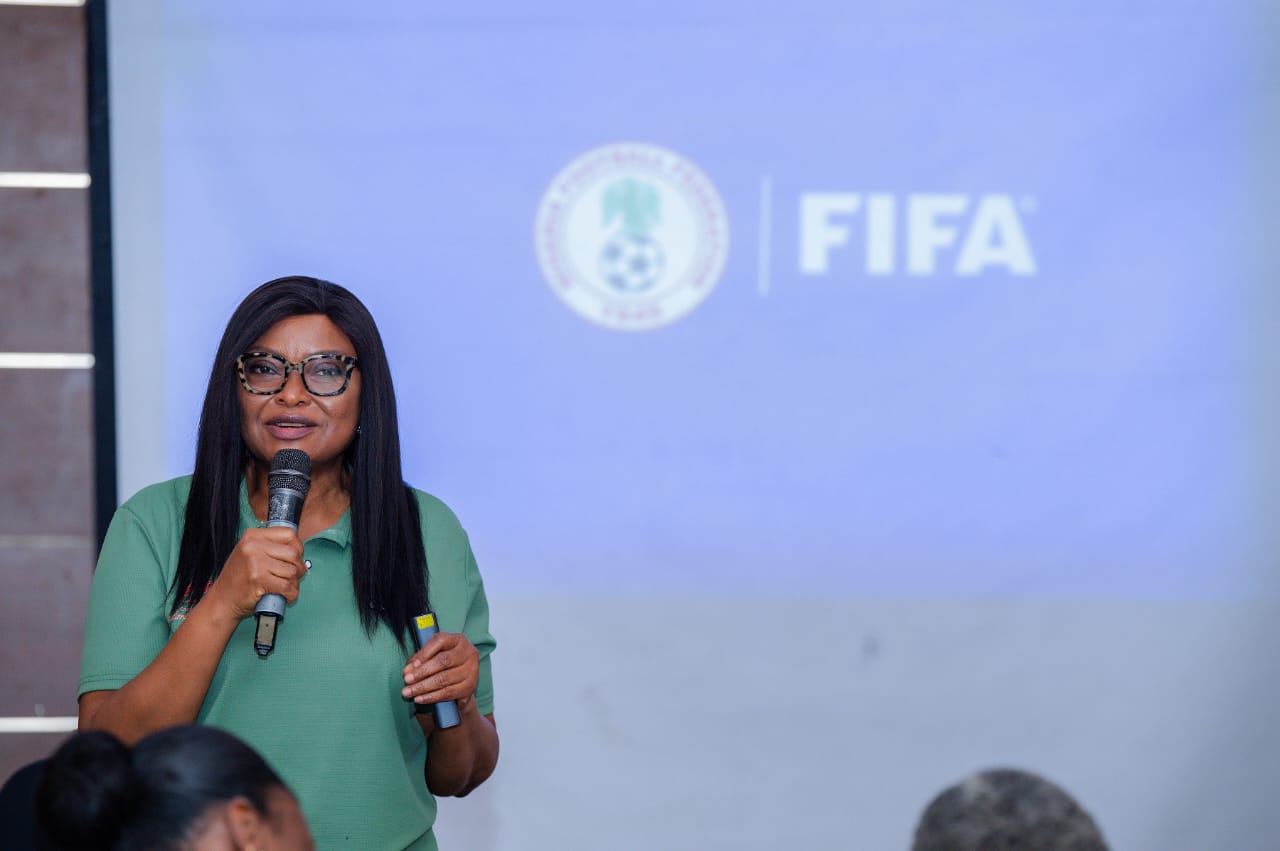
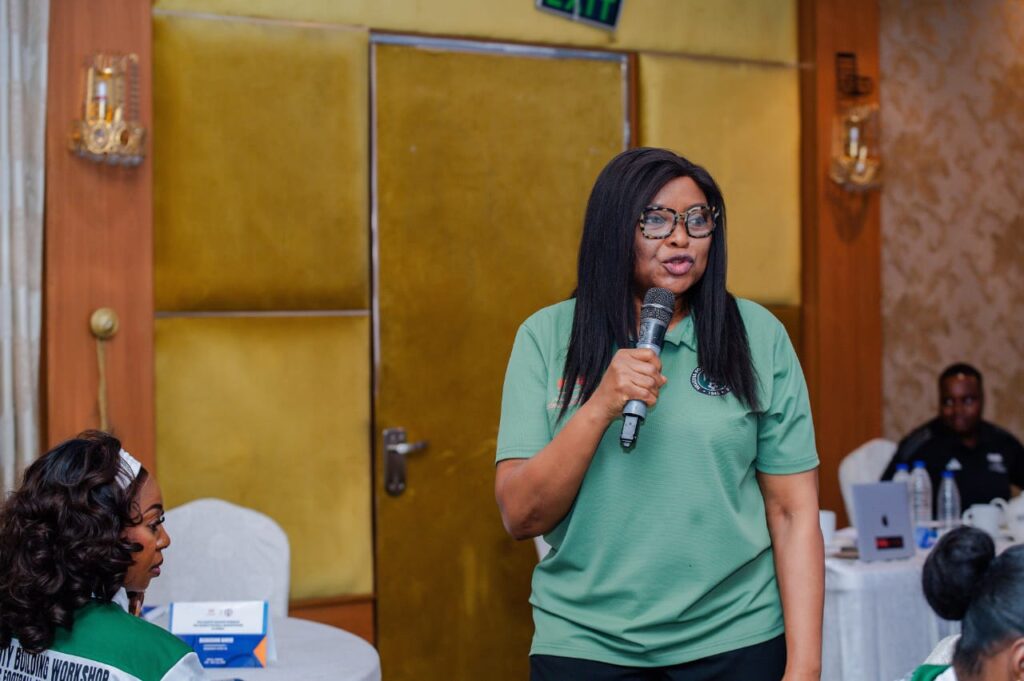
Speaking at the recently concluded FIFA/NFF Capacity Building Programme for Women’s Football Administrators in Abuja, Falode delivered a masterclass on leadership, strategy, and communication. She described the high-profile gathering as “another successful chapter in the journey of growing women’s football.”
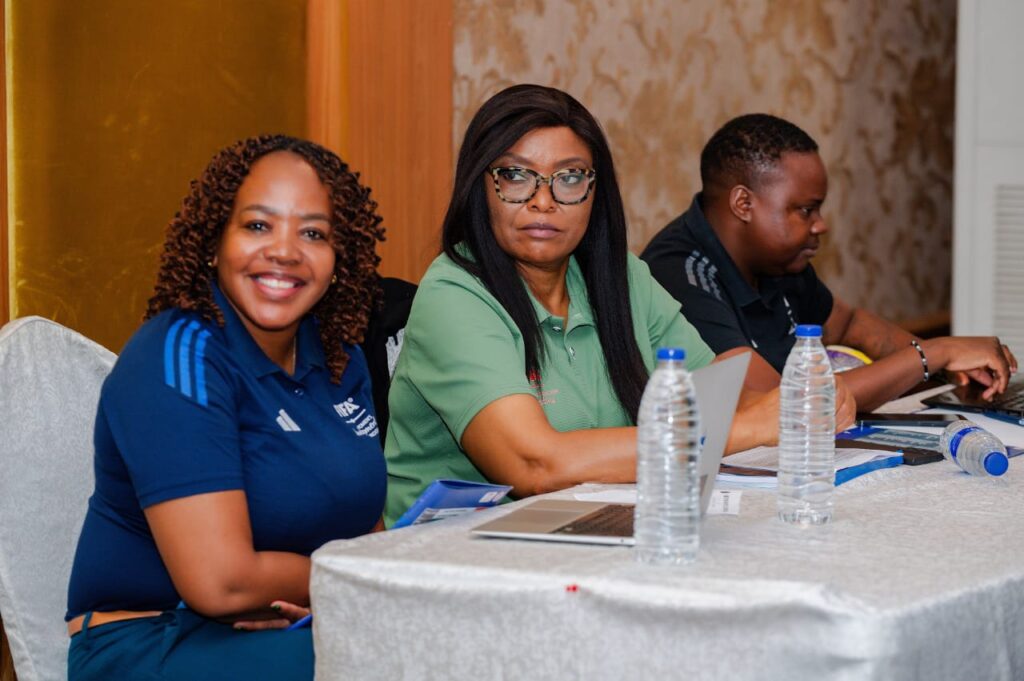
Taking on the role of a major facilitator, Falode shared her wealth of experience with the women football executives in attendance. Her sessions were anchored on two highly critical presentations that addressed both boardroom governance and media visibility.
Her first paper, titled NFF Women’s Football Strategy: Progress Towards Nigeria’s First Blueprint for Women’s Football, provided an exclusive look into the historic roadmap being developed to institutionalise the women’s game. This highly anticipated blueprint aims to create a sustainable structure for grassroots discovery, league professionalisation, and national team dominance.
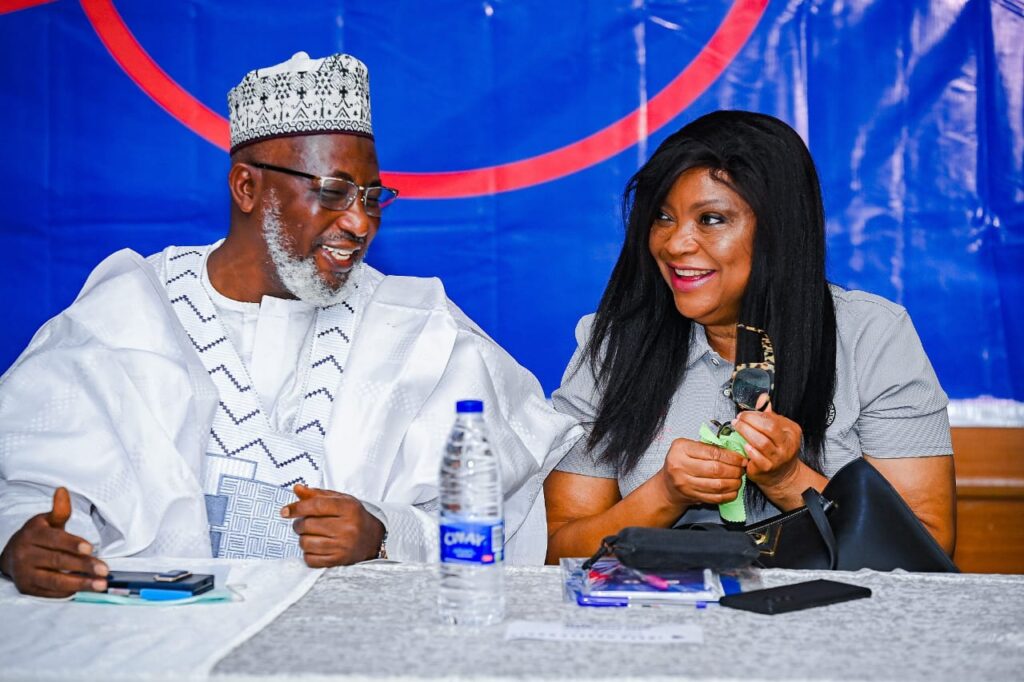
Complementing the structural strategy, Falode’s second presentation, “Bridging the Information Gap Through Adequate and Proper Communication,” tackled the often-overlooked media aspect of sports administration. Drawing from her formidable background as a pioneering broadcaster, she challenged the administrators to master the art of storytelling, ensuring that the achievements of female athletes and the league are effectively communicated to a global audience to drive sponsorships and fan engagement.
Reflecting on the success of the workshop, the former NWFL Chairperson was full of praise for the collaborative energy in the room.
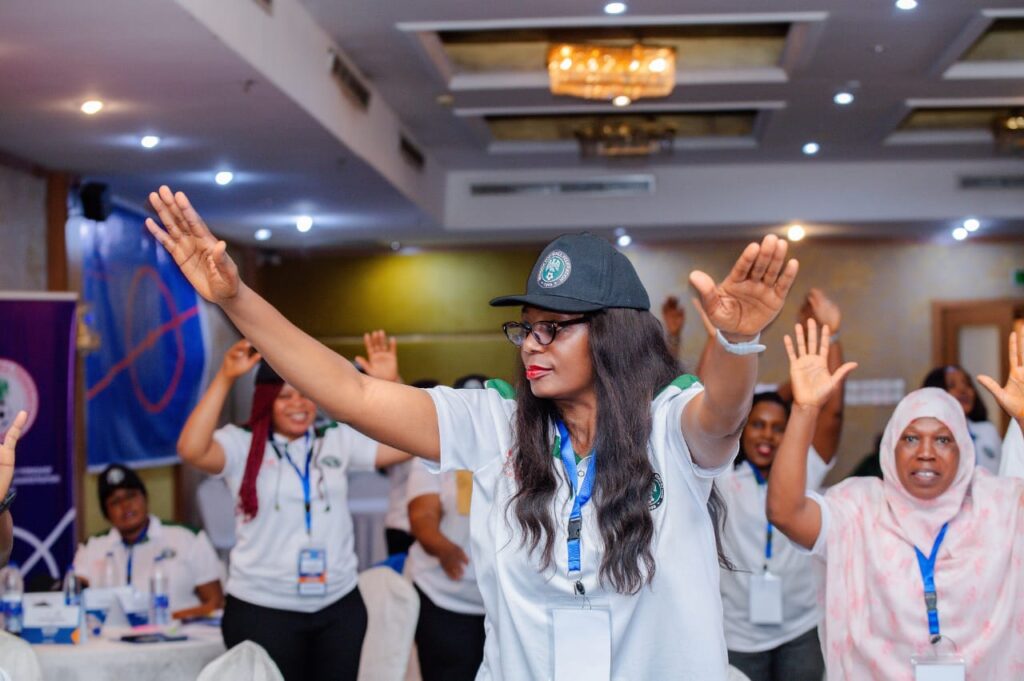
“It was an honour to share knowledge and facilitate sessions at the FIFA/NFF Capacity Building Workshop for Women’s Football Administrators,” Falode noted. “My sincere appreciation to FIFA, the Nigeria Football Federation, my fellow facilitators, and all the participants for the engaging discussions, shared experiences, and unwavering commitment to the growth of the women’s game.”
For Falode, the survival and commercial success of women’s football in Nigeria will not happen in isolation—it requires a unified, innovative front led by capable women.
“The future of women’s football is brighter when we continue to learn, collaborate, innovate, and lead together,” she passionately declared. “Here’s to building a stronger and more sustainable future for women’s football in Nigeria.”
By equipping these administrators with Nigeria’s first definitive blueprint and the communication tools to sell it, Aisha Falode, alongside FIFA and the NFF, has ensured that the administrative bench of Nigerian women’s football is just as formidable as the talent on the pitch.